Psychologists who offer psychodynamic therapy
What is Psychodynamic Therapy?
Psychodynamic therapy is based on the understanding that unconscious feelings, conflicts, and early experiences influence our current behaviour and relationships. The therapist helps you explore recurring patterns and gain deeper self-insight. The method is used for depression, anxiety, personality disorders, and relational difficulties and can be both short-term and long-term treatment.
Key figures
Psychologist using psychodynamic therapy: 104 psychologists on FindPsyk. 40 hold a ydernummer, 55 offer online sessions, and the typical waiting time is 4 weeks.
Popular specialties

Kim Nygaard
Aarhus C, Midtjylland

Susanne Ottke
Hejls, Syddanmark
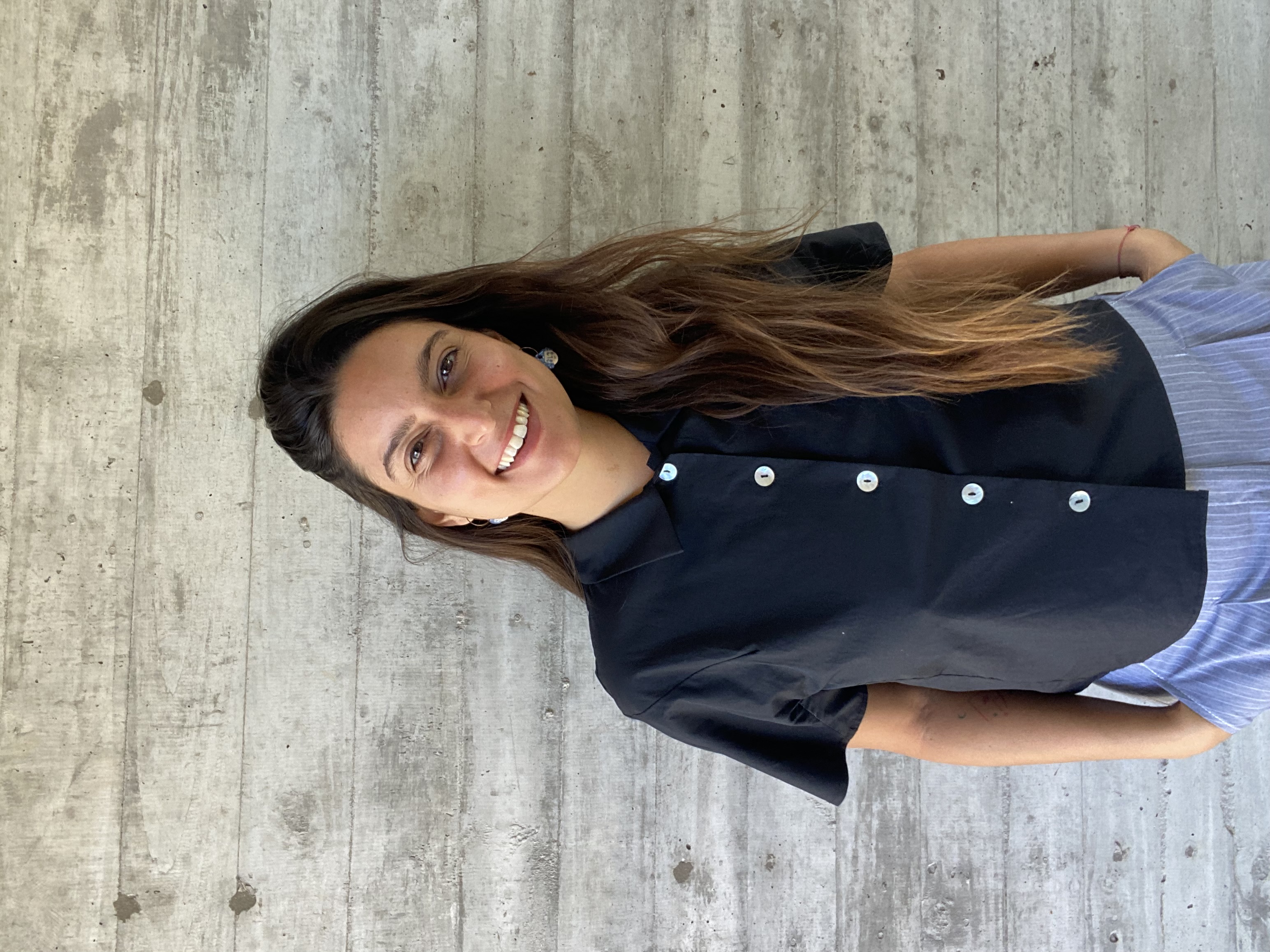
Manuela Posca Callau
København NV, Hovedstaden

Michala Sofie Lehrmann Nielsen
København V, Hovedstaden
Ida Christine Tholstrup Gjøde
København K, Hovedstaden

Tenna Malmos
Espergærde, Hovedstaden

Lærke Clement
København K, Hovedstaden
900–2160 kr

Maiken Læssøe
Roskilde, Sjaelland

Julia Ahlbom
Vanløse, Hovedstaden

Lotte Sønderby
Vejle, Syddanmark

Bjarke Rasmussen
Aalborg, Nordjylland

Birgit Støvring Sloth
Sorø, Sjaelland

Lene Marie Steppinge
Randers C, Midtjylland

Natasha Aarup
København V, Hovedstaden
1000–1200 kr
Magdalena Bialy Riis
Fredericia, Syddanmark

Dorte Holde Nielsen
Kalundborg, Sjaelland

Ulla Sommer
Herning, Midtjylland

Betina Krogh-Knudsen
København NV, Hovedstaden
Bo Skytte Kaa
Aarhus C, Midtjylland

Huong Nguyen
Vejle, Syddanmark

Nina Porsager Seierøe
Værløse, Hovedstaden

Lene Sjøgren
Ringsted, Sjaelland

Ane Aakerlund
København Ø, Hovedstaden

Lone Bløcher Kjøge
Søborg, Hovedstaden
Psychologist using psychodynamic therapy: all 104 psychologists
- Vibeke Schmidt
- Gitte Nothlev
- Liselotte Grünbaum
- Anne-Marie Brendstrup Aaen
- Susanne Bærentzen
- Kay Elizabeth Worsfold
- Inge Guldal
- Lene Larsen Kirkegaard
- Katharina Kjølbye Wrist
- Rikke Ringberg Holm
- Susanne Stark
- Anja Hansen
- Karen Riber
- Maja Lindemann Sørensen
- Stinne Huus Bogh
- Michele Rommedahl
- Lila Lambæk
- Lene Isager
- Peter Koefoed
- Anne Vonger Kaas
- Charlotte Tobberup
- Karina Ditte Riel
- Teit Juel Jensen
- Line Piil
- Kristina Søe Høyrup
- Camilla Dyrvig Tatt
Frequently Asked Questions
What is the difference between psychodynamic therapy and psychoanalysis?
Psychodynamic therapy is a modern development of psychoanalysis. It is typically shorter, more focused, and conducted face-to-face. Psychoanalysis is more intensive with multiple weekly sessions and often uses a couch.
How often do you attend psychodynamic therapy?
Typically once a week, but this can vary. Short-term psychodynamic therapy lasts 16-30 sessions, while longer courses can extend over a year or more, depending on needs.
Who can benefit from psychodynamic therapy?
People with recurring relational problems, depression, anxiety, low self-esteem, or personality disorders can greatly benefit. It is particularly relevant if you experience repeating patterns in your life.