Psychologists who offer schema therapy
What is Schema Therapy?
Schema therapy was developed by Jeffrey Young and integrates elements from CBT, attachment theory, gestalt therapy, and psychodynamic therapy. The method focuses on early maladaptive schemas — deep, entrenched patterns that arise in childhood and affect thoughts, feelings, and relationships in adult life. Schema therapy is particularly effective for personality disorders, chronic depression, and long-standing relational patterns.
Key figures
Psychologist using schema therapy: 13 psychologists on FindPsyk. 0 hold a ydernummer, 10 offer online sessions, and the typical waiting time is 2 weeks.
Popular specialties

Lital Odette Cohen
Hørsholm, Hovedstaden
Aske Colding Ekman
København N, Hovedstaden
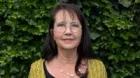
Julia Maria Bleser Rasmussen
København V, Hovedstaden
Christopher Smith
København K, Hovedstaden
Johanne Stentoft
København K, Hovedstaden

Kristine Mikkelsen
Vejle, Syddanmark
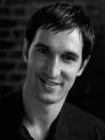
Kasper Sandgaard Pallesen
København S, Hovedstaden

John Eltong
København K, Hovedstaden
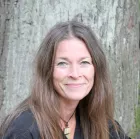
Iben Fog Waagepetersen
Frederiksberg C, Hovedstaden
Katrine Lynn Hulstrøm
Korsør, Sjaelland

Sophia Baum
Silkeborg, Midtjylland

Nanna Scherfig Straarup
Roskilde, Sjaelland

Jens Einar Jansen
København V, Hovedstaden
Frequently Asked Questions
What is a schema in schema therapy?
A schema is a deep, self-reinforcing pattern that typically arises in childhood. Examples include the 'abandonment schema' or the 'defectiveness schema'. Schemas govern how we interpret situations and react emotionally.
How long does schema therapy take?
Schema therapy is typically a longer-term treatment of 1-3 years for personality disorders. For less complex issues, focused schema therapy can be completed in 20-30 sessions.
What is 'mode work' in schema therapy?
Modes are the emotional states activated by schemas — e.g., the 'vulnerable child' or the 'punitive parent'. In therapy, you learn to recognise your modes and strengthen your 'healthy adult' mode.