Psychologists who offer psychoanalysis
What is Psychoanalysis?
Psychoanalysis is the oldest form of psychotherapy, founded by Sigmund Freud and further developed by countless theorists since. The method explores unconscious processes, dreams, early experiences, and the transference relationship with the therapist. Through free association and in-depth self-exploration, fundamental personality change is achieved. Psychoanalysis is the most intensive therapy form and typically lasts several years with multiple weekly sessions.
Key figures
Psychologist using psychoanalysis: 13 psychologists on FindPsyk. 3 hold a ydernummer, 6 offer online sessions, and the typical waiting time is 4 weeks.
Popular specialties
Ida Christine Tholstrup Gjøde
København K, Hovedstaden

Lene Marie Steppinge
Randers C, Midtjylland

Liselotte Grünbaum
Kongens Lyngby, Hovedstaden

Ulla Marstrand
Esbjerg, Syddanmark

Louise Hyldgaard Nielsen
Pandrup, Nordjylland
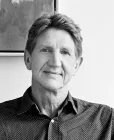
Arne Vestergaard
København K, Hovedstaden

Daniela Giorgino Simonsen
Risskov, Midtjylland

Karin Rasmussen
Roskilde, Sjaelland

Charlotte Marianne Xenia Andersen
København K, Hovedstaden
Lisbeth Elmann
København K, Hovedstaden

Lisbeth M. Rasmussen
Odense C, Syddanmark

Isabelle Vesterdal
København K, Hovedstaden
Jesper Roesgaard Mogensen
København Ø, Hovedstaden
Frequently Asked Questions
Do you still lie on a couch during psychoanalysis?
Traditional psychoanalysis still uses the couch, as lying down and not seeing the therapist promotes free association and contact with unconscious processes. Modern psychoanalysts also offer face-to-face sessions.
How often and how long does psychoanalysis last?
Classical psychoanalysis takes place 3-5 times per week over several years. It is the most intensive therapy form, aiming for deep personality change. It requires significant commitment in time and finances.
What is the difference between psychoanalysis and psychodynamic therapy?
Psychoanalysis is more intensive (multiple weekly sessions, longer duration) and in-depth than psychodynamic therapy. Psychodynamic therapy is a shorter, more focused approach built on the same theoretical foundation.